Making Smart Investments: Why Choosing the Best Restaurant Equipment Strengthens Your Revenue
In the competitive restaurant industry, equipment choices significantly influence overall profitability. High-grade equipment improves productivity and security while reducing operational costs. While evaluating foodservice equipment, considerations like power consumption, user comfort, and adaptability prove absolutely vital. Understanding these elements can lead to better service and increased customer satisfaction. Despite this, several operators fail to recognize the long-term benefits of investing wisely. What key elements should be focused on to achieve the greatest return on investment?
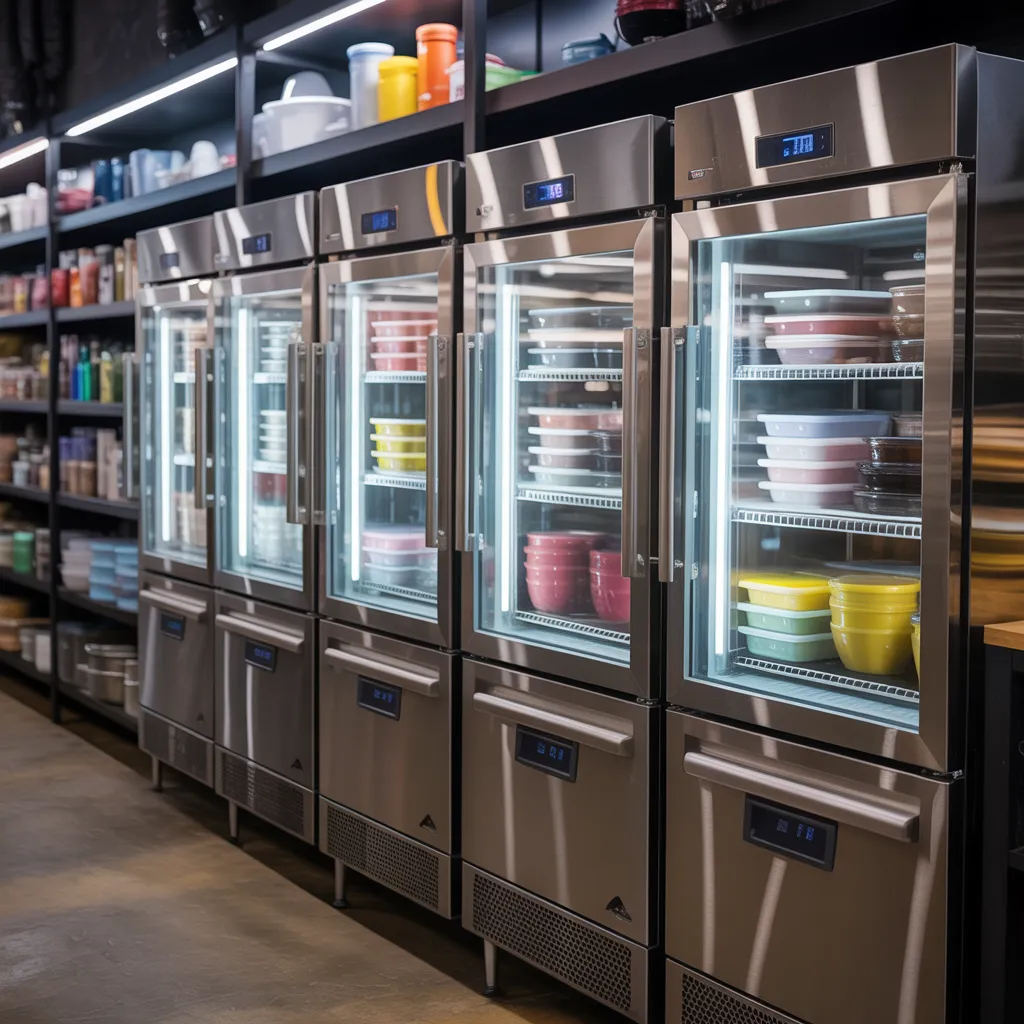
Why Quality Equipment Matters in the Restaurant Industry
High-quality equipment forms the foundation of any thriving restaurant business. By investing in top-tier tools and appliances, restaurant owners can boost efficiency, safety, and overall service quality. Trustworthy equipment limits operational downtime and repair expenses, freeing staff to dedicate their efforts to delivering remarkable customer experiences. Moreover, durable appliances often feature advanced technology that can improve cooking precision and consistency, vital for maintaining menu standards.
In addition, premium equipment can drive enhanced energy efficiency, lowering operational expenses in the long run. This simultaneously improves profitability and supports environmental sustainability efforts within the sector. Although the initial outlay can seem considerable, the lasting benefits typically surpass the financial commitment. At the end of the day, selecting high-quality equipment allows restaurant owners additional information to enhance operational efficiency, fulfill customer needs, and create a welcoming dining experience, establishing it as a critical element in the competitive food service market.

Essential Features to Consider When Choosing Restaurant Equipment
When choosing foodservice equipment, a number of key features deserve close attention to ensure optimal performance and lasting durability. Durability is paramount; equipment must endure the demands of constant use in a busy kitchen. Moreover, ease of upkeep is an important factor; equipment designed for straightforward cleaning and servicing helps minimize downtime and operational expenses.
Adaptability is another important aspect, allowing chefs to utilize equipment for multiple purposes, expanding menu options. Scale and capacity ought to be examined to ensure that equipment fits within the kitchen space while satisfying operational requirements. Furthermore, intuitive interfaces support faster staff training and workflow efficiency.
Additionally, consider the warranty and support offered by the manufacturer, as robust support options can reduce possible problems. By examining these critical factors, restaurant operators can reach informed decisions that boost overall productivity and success.
Energy Efficiency: A Key to Lower Operating Costs
Energy efficiency remains a key element in cutting overhead costs for restaurants, notably in a field where profitability can be challenging. Purchasing energy-efficient appliances can result in substantial reductions in utility expenses, which often comprise a substantial portion of overall expenses. To illustrate, ENERGY STAR-rated appliances consume less energy while maintaining performance, allowing restaurants to operate more sustainably and economically.
Furthermore, quality equipment often demonstrates greater durability, minimizing the need for frequent and costly replacements. This not only contributes to lower capital expenses but also minimizes waste.
Apart from monetary gains, adopting energy-efficient practices can strengthen a restaurant's image, attracting eco-friendly customers. With energy prices steadily increasing, emphasizing efficiency proves to be a sound financial choice as well as a market differentiator. Through investing in energy-saving technology, food service proprietors can meaningfully boost their financial performance while advancing environmental sustainability.
How Ergonomics Can Enhance Employee Productivity
In the food service industry, ergonomics plays an essential role in improving employee productivity. By maximizing workflow performance, lowering the likelihood of workplace injuries, and increasing employee comfort, restaurants can create a more effective work environment. Such an investment not only advantages the workforce but also promotes long-term operational excellence.
Streamlined Workflow Effectiveness
Optimizing operational performance in food service operations depends on the application of ergonomic concepts. By creating work environments that support natural body movements, restaurants can improve workflow. Equipment height, layout, and accessibility are essential factors in minimizing physical stress and exhaustion. For instance, flexible work surfaces allow staff to perform tasks comfortably, improving accuracy and productivity. Additionally, thoughtfully positioned equipment and materials limit undue stretching and stooping, supporting a more streamlined process. When team members can work without restriction, they are more likely to maintain focus and productivity. Investing in ergonomic designs not only optimizes operations but also cultivates a more systematic setting, ultimately leading to enhanced guest experiences and operational excellence. Through careful selection of tools and fixtures, restaurants can realize meaningful improvements in workflow performance.
Lowered Injury Risks
Incorporating ergonomic practices in restaurant settings considerably reduces injury hazards among employees. By integrating user-friendly equipment, such as adjustable work stations and ergonomic floor mats, restaurant operators can limit the physical demands placed on team members. Properly designed tools, like reduced-weight utensils and easy-to-handle transport carts, also help minimize the risk of repetitive strain injuries. Training staff on proper ergonomic techniques, such as correct lifting techniques and healthy posture, increases understanding and promotes safer workplace habits. These measures not only protect employees but also result in reduced workplace incidents, thereby reducing downtime and associated costs. Ultimately, investing in ergonomic equipment and training fosters a safer work environment, which can enhance overall staff productivity and morale.
Improved Employee Comfort
Improving staff well-being by means of ergonomic practices greatly increases staff productivity in dining establishment workplaces. Through investing in equipment that prioritizes worker comfort, restaurants can create a workplace that limits physical stress and exhaustion. Flexible work areas, supportive seating, and properly designed kitchen tools empower workers to complete duties with greater ease and efficiency. This results not only in increased output but also fosters a positive workplace culture, which can improve worker satisfaction and commitment. Moreover, workers who feel at ease are less likely to suffer from burnout, resulting in decreased employee attrition and recruitment costs. At its core, adopting ergonomic practices is a calculated decision that improves workplace performance and positively impacts the business's long-term profitability. By prioritizing comfort, restaurants can build a more productive workforce.
Choosing Dining Establishment Equipment That Elevates the Customer Experience
A carefully curated range of commercial kitchen equipment can considerably improve the overall dining experience for guests. Premium equipment, such as sophisticated espresso machines or professional-grade ovens, ensure that food and beverages are served at ideal temperatures and flavors, improving the overall experience. Additionally, visually appealing tools, like fashionable dishware or specialized serving utensils, enhances the establishment's atmosphere and strengthens its brand image.
Efficient kitchen machinery streamlines service, empowering staff to deliver meals efficiently, which is vital for preserving client engagement. Furthermore, equipment that guarantees food safety, for example high-quality cooling units, builds trust and confidence among guests.
In addition, technology-focused approaches, like digital menu systems, can personalize the dining experience, making it increasingly engaging and pleasant. By prioritizing the selection of equipment that focuses on efficiency, quality, and visual appeal, restaurant operators can significantly improve the overall guest experience, resulting in loyal customers and favorable recommendations.
The Importance of Versatile Equipment for Menu Adaptability
Multi-functional equipment is vital for helping restaurants adjust their offerings to suit changing trends and customer preferences. Through the integration of versatile kitchen tools, restaurants can effectively address shifting consumer needs without the need for significant capital investment in new tools. For instance, a combi oven can steam, bake, and roast, allowing chefs to experiment with diverse dishes while maintaining consistent quality.
This versatility not only boosts creative menu planning but also improves kitchen efficiency, decreasing prep time and reducing food waste. Restaurants equipped with flexible tools can pivot quickly to seasonal produce or growing dietary movements, such as gluten-free offerings or plant-based options.
Ultimately, investing in versatile equipment empowers restaurants to remain competitive and relevant, fostering a dynamic dining experience that attracts and retains customers. The ability to adjust menus fluidly is a key strategy for sustaining growth in the ever-evolving culinary landscape.
Ways to Extend the Lifespan of Your Equipment
To maximize the lifespan of foodservice equipment, adopting a structured maintenance plan is vital. Furthermore, applying appropriate cleaning practices can reduce equipment degradation, while thorough operator training programs confirm that employees operate equipment properly. Collectively, these methods build a framework for sustained performance in commercial kitchen operations.
Regular Maintenance Schedule
While many restaurant owners focus on purchasing high-quality equipment, ignoring consistent maintenance can cause costly repairs and diminished equipment longevity. Establishing a regular maintenance schedule is essential for ensuring that equipment operates efficiently and reliably. This schedule ought to incorporate regular inspections and servicing of critical components, including filters, seals, and electrical connections. It is advisable to document maintenance activities to track performance and identify recurring issues. Additionally, training staff to recognize early signs of wear can prevent minor issues from escalating. By focusing on maintenance, restaurant owners can decrease downtime, boost food safety, and ultimately maximize the longevity of their investments. A forward-thinking approach to equipment maintenance leads to substantial long-term savings for the business.
Essential Cleaning Procedures
Ensuring proper sanitation is vital for increasing the longevity of restaurant equipment. Regular cleaning reduces the buildup of grease, food particles, and other contaminants that can lead to equipment deterioration and mechanical breakdown. Employing suitable cleaning solutions is critical; abrasive chemicals can harm equipment surfaces, while mild, food-safe cleaners efficiently clean surfaces without risk. Workers should apply appropriate cleaning practices, such as utilizing gentle cloths and soft scrubbers, to avoid scratching delicate surfaces. Additionally, regular thorough cleaning sessions should be planned to target difficult-to-access spots and ensure complete cleanliness. Carefully observing the manufacturer's recommended care instructions remains crucial, as various machines demand specific maintenance protocols. Embracing these cleaning strategies contributes to prolonging equipment life and maintaining peak performance in a bustling restaurant environment.
Training Programs for Operators
Executing complete operator training programs is vital for enhancing the longevity of restaurant equipment. These programs establish that staff comprehend the proper usage and maintenance of each piece of equipment, reducing the chance of careless handling and unexpected damage. Training should cover operational techniques, safety protocols, and scheduled cleaning practices, all adapted to specific equipment types. Routine follow-up sessions can strengthen proper procedures and incorporate any new machinery integrated into the kitchen. Moreover, promoting a mindset of stewardship inspires staff to assume responsibility for equipment care. By dedicating resources to robust training, restaurant operators can significantly prolong the life of their equipment, ultimately enhancing efficiency and reducing long-term costs. This strategic approach contributes positively to the establishment's financial performance.
When Should You Replace Your Restaurant Equipment for Improved ROI?
When is the best time to upgrade restaurant equipment for maximum return on investment? The timing of such decisions can significantly affect profits. Restaurant owners should think about updating their equipment when machinery regularly fails or incurs significant repair costs, as these expenses can outweigh the benefits of keeping outdated machinery. Furthermore, if current machinery does not comply with modern health and safety regulations, it can cause regulatory fines or temporary closures, thereby negatively impacting financial performance.
Another key indicator is a considerable decrease in efficiency, such as longer cooking times or increased energy consumption. Investing in energy-saving equipment can decrease operational costs and boost overall performance. Additionally, when menu offerings expand, it may require equipment that can accommodate greater output or specialized cooking techniques. In the end, assessing operational efficiency, expenses, and expansion will help operators determine the best opportunity to acquire modern appliances, guaranteeing better returns and a stronger market position.
Answers to Your Most Common Questions
How Do I Effectively Finance My Restaurant Equipment Purchases?
To finance restaurant equipment purchases effectively, there are options to consider such as equipment financing, leasing, or small business loans. Comparing interest rates and terms guarantees the best choices tailored to the restaurant's specific financial situation and needs.
What Brands Are Known for High-Quality Restaurant Equipment?
Many manufacturers are well-known for premium restaurant equipment, including Vulcan, Hobart, and True. These industry leaders are respected for their longevity, efficiency, and dependability, making them top selections among restaurant operators seeking to enhance their operations.
Are There Warranties Available for Restaurant Equipment?
Yes, numerous manufacturers offer warranties for commercial kitchen equipment, usually spanning anywhere from one to five years. These warranties often include both parts and labor, providing assurance to operators regarding the longevity and reliability of their investments.
How Do I Dispose of Old Restaurant Equipment Responsibly?
To get rid of outdated commercial kitchen equipment in an environmentally conscious manner, individuals should get in touch with local recycling programs, give working items to nonprofit organizations, or engage professional disposal companies that adhere to environmental regulations, providing safe and environmentally sound material removal.
Which Trends in Restaurant Equipment Technology Should I Be Watching?
Current advancements in commercial kitchen technology include power-efficient devices, intelligent kitchen equipment, efficiency-driven automation, and sustainable materials. These breakthroughs work to elevate overall performance, cut overhead costs, and promote environmentally friendly practices within the restaurant industry.